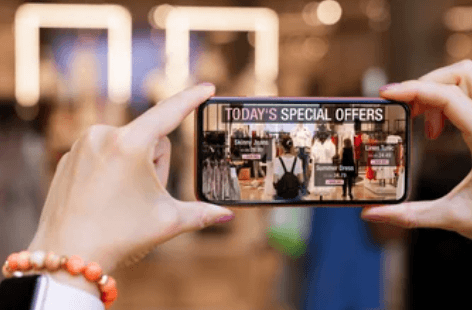
Smart technology links devices, data, and platforms to optimize retail operations. Real-time streams and sensors enable dynamic product placement, timely promotions, and proactive staffing. Integrated systems streamline checkouts, inventory, and back-room workflows, reducing cycle times and losses. Governance and privacy considerations keep trust intact while ensuring accuracy and consent. The result is a more efficient, data-driven store—yet questions remain about resilience, dependence on connectivity, and how, exactly, choice is preserved in an increasingly automated environment.
The Foundations: What Smart Tech Really Is in Retail
Smart technology in retail encompasses a spectrum of interconnected devices and platforms designed to optimize operations, enhance customer experiences, and drive measurable outcomes.
The Foundations define core components: data streams, sensor networks, and analytics engines.
Emphasis rests on data ethics and sensor reliability, ensuring transparent governance, resilient performance, and scalable insights that empower stores to operate efficiently while preserving customer trust and freedom to explore.
How Data Drives Personalization on the Floor
Data-driven personalization on the floor leverages real-time data streams, sensor-derived context, and shopper insights to tailor interactions, product placements, and promotions. The approach emphasizes data governance to ensure privacy, accuracy, and consent while enabling dynamic offers.
Loyalty programs inform segmentation and rewards, driving sustained engagement. This framework supports proactive staffing, efficient merchandising, and a freer shopping experience through targeted, respectful customization.
From Checkout to Back Room: Operational Gains and Risks
From checkout to back room, operational gains emerge as integrated technologies streamline workflows, improve accuracy, and reduce cycle times across the store.
Automation surfaces edge cases for rapid intervention, while centralized data supports inventory precision and loss prevention.
However, risks persist: data ethics considerations, algorithmic bias, and dependency on connectivity require governance, measurement, and ongoing scrutiny for sustainable performance.
See also: How Smart Technology Is Changing Transportation Systems
The Future Storeplay: Omnichannel, Privacy, and Innovation
What will define the Future Storeplay is the seamless integration of omnichannel capabilities, privacy-by-design principles, and continuous innovation across the retail ecosystem.
In this model, privacy budgeting allocates data access transparently, while consent landscapes evolve to balance utility and control.
Data-driven strategies guide investments, measure impact, and sustain trust, enabling flexible, user-centric experiences amid rapid technology cycles and competitive differentiation.
Frequently Asked Questions
How Can Store Staff Maximize the Impact of Smart Tech Daily?
Store staff maximize impact by aligning store workflow with real-time insights, leveraging aisle analytics to optimize shelf placement, staffing, and replenishment. Data-driven decisions drive efficiency, while a forward-looking approach sustains freedom to adapt and innovate daily.
What Are the Hidden Costs of Deploying In-Store Sensors?
Hidden costs of deploying in-store sensors include upfront hardware, integration, ongoing maintenance, and software licensing, with potential data privacy concerns. Data-driven projections show long-term payback but require transparent governance, clear opt-ins, and scalable privacy safeguards for freedom-minded retailers.
Do Customers Consent to Ai-Driven Recommendations in Real Time?
A hypothetical case shows customers often consent via transparent consent mechanics for AI-driven recommendations in real time; users retain control. Reality indicates consent mechanics and opt-out options shape adoption of real time personalization and trust in retail.
How Secure Is Guest Data in Smart-Rack and Checkout Systems?
Guest data in smart-rack and checkout systems remains contingent on robust data privacy measures and rigorous user authentication, with ongoing enhancements. Analysts foresee strengthened encryption, minimized data exposure, and transparent policies empowering stakeholders while maintaining forward-looking operational freedom.
Will Smart Tech Replace Human Roles or Augment Them Long-Term?
Smart technology will both augment and gradually replace certain tasks; human-robot collaboration expands capabilities while mitigating workforce displacement, guiding organizations toward scalable efficiencies, data-driven decision making, and skills reallocation that preserve autonomy and freedom of choice.
Conclusion
In retail, smart tech defines efficiency, efficiency defines experience. Data fuels personalization, personalization guides placement, placement informs promotions, promotions shape demand. Automation accelerates checkout, automation fortifies back-room control, back-room integrity sustains inventory. Privacy protects trust, privacy preserves choice, choice sustains loyalty. Connectivity enables resilience, connectivity enables insight, insight enables foresight. Governance grounds growth, governance guarantees consent, consent enables experimentation. The store of tomorrow rises on interoperability, interoperability sustains adaptability, adaptability secures consumer freedom to explore.